If you’re reading this, chances are you or someone you know has been struggling with adult ADHD. It can be tough, right? The constant distraction, the forgetfulness, the difficulty in staying focused – it can really impact your day-to-day life. But did you know that nutrient deficiencies play a role in your ADHD symptoms?
Before we dive into the details, let’s first take a step back and understand what ADHD is. Contrary to popular belief, ADHD is not just a problem for kids. In fact, it affects millions of adults worldwide. ADHD is a neurological condition that affects the brain’s ability to focus, prioritize and control impulses.
Now, you might be wondering what nutrient deficiencies have to do with all of this. Well, it turns out that the brain needs a wide variety of nutrients to function properly. Nutrients like omega-3 fatty acids, magnesium, zinc, iron, and vitamin D are all essential for optimal brain health. Unfortunately, many people with ADHD are deficient in these nutrients.
Let’s take a closer look at some of these key nutrients and how they might impact ADHD symptoms:
Omega-3 fatty acids
Research has shown that omega-3 fatty acids, which are found in fatty fish like salmon and walnuts, can help reduce ADHD symptoms like hyperactivity, impulsivity, and inattention. Omega-3s are important for brain development and function, and many people with ADHD have been found to be deficient in this nutrient.
Magnesium
Magnesium is an essential mineral that plays a role in over 300 biochemical reactions in the body, including those involved in brain function. Studies have shown that magnesium supplementation can improve ADHD symptoms like hyperactivity, impulsivity, and inattention.
Zinc
Zinc is another essential mineral that is important for brain health. Studies have shown that zinc supplementation can improve ADHD symptoms. Many people with ADHD have been found to be deficient in this nutrient.
Iron
Iron is important for the production of dopamine, a neurotransmitter that plays a key role in ADHD. However, it’s important to get tested for iron before taking a supplement.
Vitamin D
Vitamin D is essential for brain health and has been linked to ADHD. Studies have shown that people with ADHD are more likely to be deficient in vitamin D than those without ADHD.
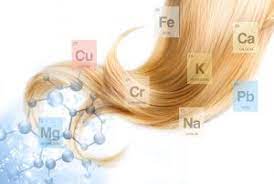
Now, it’s important to note that not everyone with ADHD will be deficient in these nutrients. However, if you are struggling with ADHD symptoms, it might be worth considering getting your nutrient levels checked. You can get your blood levels checked but this is not a true representation of long term nutrient deficiencies. The Hair Tissue Mineral Analysis (HTMA) test reveals exactly what’s going on including metabolism, blood sugar, adrenals as well as finding out exactly which nutrients are imbalanced. It also reveals any heavy metal toxicity which can play a key role in ADHD symptoms. Blood tests don’t show heavy metal toxicity.
While there is no one-size-fits-all solution to managing ADHD, addressing nutrient deficiencies and making lifestyle changes can go a long way in helping you manage your symptoms.
If you need help in managing your ADHD symptoms and don’t know where to start, have a look at my Mind Your Gut Program. It includes all testing (including the HTMA test), consultations and email support throughout.
If you would like to chat about the above or have any questions about how I can help, you are welcome to book a FREE 20 min health assessment call here
ADHD/ADD is on the increase, in children, adolescents and adults. When I mention ADHD/ADD and the words ‘diet and nutrition’, I tend to get blank looks. They’re thinking, ‘How on earth can YOU help as a Clinical Nutritionist?’ I’m sharing with you my first step in the ADHD/ADD treatment process.
The traditional way of treating ADHD is medication. One approach fits all more or less. The functional medicine testing that I do in clinic is individualised, therefore, every report is different. In other words, a different approach is required for each person.
Jackie (not her real name) came to see me with diagnosed ADHD and ADD. We received her HTMA and HairSense reports back from the labs and the results showed:
Jackie was a Fast metabolic type. This indicated that she had Sympathetic Dominance which means that her sympathetic nervous system was constantly in Fight/Flight mode. People like this tend to suffer from:
– Hyperactivity – High heart rate and blood pressure – Sensitive to caffeine, nicotine and sugar – Increased adrenalin and cortisol – Headaches and migraines – Racing thoughts, sensitivity to light/sound – Anxiety heightened emotions – Overactive digestion – IBS etc – Agitation, worry and fear
Her mineral ratios showed that she had high calcium to potassium, low sodium and potassium relative to calcium and magnesium which means that she was very fatigued and her thyroid and adrenals were under-functioning. Although she was fatigued and exhausted, she was ‘wired but tired’. You know that feeling when you’re ‘running on adrenalin’ and can’t sit still? She was given sodium and potassium as well as an adrenal supplement to support her adrenals.
Her copper level was high compared to zinc which means that she was suffering from depression, anxiety and hyperactivity. There are too many symptoms relating to a zinc/copper imbalance to mention here but excess copper is stored in brain tissue and is associated with a broad spectrum of psychological disturbances and dysfunctions. The excess copper needs to be reduced with nutritional supplementation.
Jackie had a heavy metal ‘burden’ which means that some metals were indicated but not at a toxic level. It should be said that when Jackie is going through her ‘copper detox’, heavy metals can increase which will need to be eliminated.
Jackie’s minerals were generally quite low, therefore, she wasn’t absorbing all her nutrients. Hydrochloric acid tends to be low as we get older and also from chronic stress, taking medications and more. She had apple cider vinegar in warm water before eating, chewed her food slowly and made sure she was eating enough protein. The zinc supplement to reduce the copper also helped with producing HCL.
Diet – Jackie did the HairSense Nutrition Analysis Test which tests for over 500 foods, personal care and household products that she was reacting to. By following this food plan, her inflammation was reduced and a gentle detox at the same time. She also eliminated gluten and dairy. The gut is related to the brain via the gut-brain axis, therefore, it is vital to improve the health of the gut which the HairSense test does.
In summary, Jackie followed a diet plan and supplement program specific to her as well as lifestyle advice. After as little as 4 weeks, she felt more calm, more focused, less impulsive, less fatigued and had better sleep.
If you would like to chat about the above or have any questions about how I can help, please book a FREE 20 min call/Zoom here.
If you’d like to get started now, you can book a 1:1 consult with Sal here – online or ‘walk and talk’ in Bayside, Melbourne.
When I started to write this blog, I thought where on earth do I start? Overwhelm and racing mind. Sound like ADHD already? So many things to talk about, don’t want to overload with too much information etc, etc. After a few days, it was running into a few pages. Stop! I thought, this has to be simple!! This first blog is about how I came across adult ADHD in the first place and how I view this new world as a Clinical Nutritionist.
When I hear the term ADHD, I don’t think of it has a diagnosis or a label. I’m not against a diagnosis at all and ADHD does exist but I think that a diagnosis can be overused and overmedicated. It helps many people better understand what’s wrong with them. What first comes to my mind though is not ADHD but a medical disorder, in which neurological, nutritional, genetic and environmental factors imbalance the brain, causing imbalanced behaviour.
ADHD first came to my attention when my kids were at school. Real life stories of primary and secondary school students underperforming, hyperactive, disruptive and being given medication. I was horrified. ‘Why are these kids medicated at such a young age?’, and ‘Their parents need to know about a non-medicated option!’.
These thoughts were pushed to the back of my mind until years later, a woman came to see me with ADHD type symptoms. We did the Hair Tissue Mineral Analysis (HTMA) test which told me exactly what was going on with her health. It showed her mineral imbalances/deficiencies and any heavy metal toxicity. This in turn, told me about her metabolism, stress levels, blood sugar levels, adrenal health and much more. 4 months later, she was managing many of her symptoms by making changes to her diet and lifestyle, with the help of therapeutic supplements to improve and balance her mineral levels.
Adult ADHD traits
What exactly are these symptoms or character traits? There are too many to mention but here are a few that you might recognise:
Unable to concentrate/focus
Forgetful
Fixated on specific topics
Being told you’re dumb, lazy, chaotic
Strong sensitivity to rejections
Overactive mind
Anxiety, depression, stress
Poor time management skills
Impulsive and impatient
Do any sound familiar? You may be comfortable with some of these and they might be part of your personality. But some of them can interfere with your everyday life in a negative way and stop you from getting ahead or leading a normal life. I can relate to many of these but I’ve managed to overcome them with diet, nutrition and psychological help from a Kinesiologist and Human Design Coach.
The Whole Person
As a Clinical Nutritionist, I look at the whole person, not the label or diagnosis. This means looking at all the systems of the human body such as the gastrointestinal system, the endocrine system and the nervous system and how these connect to the individual’s diet, nutrient deficiencies, inflammation, gut health, food sensitivities, neurotransmitters, to name a few.
For example – If you talk too fast, you’re super busy, unable to focus on one task, poor sleep, anxiety, impatient – the sympathetic nervous system needs to be addressed. It’s hypersensitive and as many of you know, your gut is connected to your brain. Therefore, the health of the gut microbiome (gluten and other food sensitivities, dysbiosis, leaky gut, constipation), diet (food choices) and nutrient deficiencies (zinc, magnesium and many others are common) is where I start.
The ADHD brain functions differently to the ‘normal’ brain but that doesn’t mean that medication is the only option (I’m not against medication by the way). But I think medication is a band aid approach. The other approach is to treat the person as a whole and assess the neurological, nutritional, genetic and environmental factors.
If you’re wanting to prioritise your health, including your ADHD brain, or have any questions at all, please book a free 20 minute health assessment call here.
1 onion 1 leek 4 cloves of garlic 2 sprigs of fresh rosemary olive oil 2 fresh bay leaves 1/2 a butternut squash or sweet potatoes (600g) 100g chestnut mushrooms 2 x 400g tins of plum tomatoes (or chopped fresh tomatoes if you have time) 250m1 Chianti or other good red wine 4 chicken thighs 8 black olives (stone in) Sliced sourdough or bread of your choice
Method
Preheat the oven to 190°C/375°F/gas 5. Peel the onion and cut into eighths, trim, wash and slice the leek, peel and slice the garlic. Place a large ovenproof casserole pan on a medium heat. Pick and finely chop the rosemary leaves, then place both in the pan with 1 tablespoon of oil and the bay leaves. Stir regularly for 2 minutes, then add the garlic, followed by the onion and leek. Cook for 10 minutes, stirring regularly.
Meanwhile, chop the squash or sweet potato (wash first) into bite-sized chunks, leaving the skin on and discarding any squash seeds. I like to cut the stalk and face off the mushrooms because it looks nice – just add the trimmings straight to the pan, along with the whole mushrooms and chopped squash or sweet potato. Add the chicken to the pan. Pour in the wine and let it reduce slightly, then add the tomatoes and break them up with a wooden spoon. Half-fill each tin with water, swirl about, pour into the pan and mix it all together. Destone the olives, then poke them into the stew.
Bring to a gentle simmer, then transfer to the oven to cook for 1 hour, or until thick, delicious and the squash or sweet potato is lovely and tender. Season to perfection, then serve with bread or brown rice.
Minerals are essential for growth, healing, vitality and wellbeing. They provide structural support in bones and teeth and they maintain the body’s acid-base balance, water balance, nerve conduction, muscle contractions and enzyme functions. Minerals participate in almost every metabolic process in the body – they are the true ‘spark-plugs’ of life.
Ideally we should get all the minerals we need from a balanced diet. Unfortunately, this is rarely possible in today’s world. Modern farming techniques, fertilisers and depleted soils reduce the mineral content of foods. Environmental toxins, chemical food additives and stressful lifestyles also have a detrimental effect on our nutritional status. Consequently, we need to test and monitor our nutritional needs more than ever.
What is a Hair Tissue Mineral Analysis (HTMA)?
HTMA is an analytical test that measures the mineral composition of hair. It is regarded by many doctors, nutritionists and naturopaths as one of the most valuable screen tools available in everyday and preventative health care.
InterClinical Laboratories provides reliable clinical data on over 35 nutrient and toxic minerals and over 26 significant mineral ratios.
Why biopsy hair tissue?
Hair is a body tissue made up of mostly dead, keratinized cells fused together. The shaft of the hair is the portion that projects from the skin surface. The root of the hair, below the skin surface, contains living matrix cells from which the hair grows. Matrix cells depend on the blood supply for nourishment and growth. As they grow and divide, minerals are keratinized into the growing hair shaft, creating a permanent record of metabolic activity and exposure to toxic elements.
Mineral concentrations in the hair can provide a reliable indicator of mineral stores in the whole body. If your health, diet or environment has created a mineral imbalance or toxic mineral excess, it will be recorded in the hair shaft. Research has shown that hair mineral levels reflect stored mineral levels in other body tissues.
Causes of mineral imbalances
Improper eating habits: Fad diets and diets high in refined carbohydrates, sugar, salt, alcohol and saturated fats can lead to mineral deficiencies and excesses. Even the mineral content of a healthy diet can be deficient if foods are grown on nutrient-poor agricultural lands.
Stress: Both physical and emotional stress can lead to mineral imbalances. B-complex vitamins, zinc and magnesium are lost in greater quantities when you are stressed. You also absorb less nutrients from your food. Sports people often have a higher requirement of certain nutrients.
Medications: Many deplete the body’s store of nutrient minerals and can increase levels of toxic minerals. Medications such as diuretics, the oral contraceptive pill, antacids and aspirin can all cause vitamin and mineral deficiencies.
Pollution: Toxic minerals such as lead, mercury and cadmium can interfere with mineral absorption and increase mineral excretion. They build up in our bodies from sources such as: air pollution, car exhaust, cigarette smoke, unfiltered water, dental amalgams, copper and aluminium cookware, hair dyes and antiperspirants. Toxins have also entered the food chain, contaminating some of our foods. It is almost impossible these days to avoid some exposure to toxic minerals.
Genetic and individual factors: A predisposition towards certain mineral imbalances, deficiencies and excesses can be inherited from parents. Certain individuals can also inherit a higher requirement than normal for particular nutrients to maintain good health.
Nutritional supplements: Supplements can also lead to mineral excesses and deficiencies. For example, excess calcium intake can cause phosphorus and magnesium deficiency. Continued magnesium deficiency increases sodium levels and eventually causes vitamin A deficiency.
If you’re ready to change your life for the better, book here for a complimentary 20-minute health assessment. If you’re unsure, email me at sal@saltheutritionist.com.au for a chat. Some health funds and payment plans available.