by Sal Prothero | 09, Oct, 2016 | Blog
In Australia, you would think most people have sufficient Vitamin D. That’s not the case. The Australian Bureau of Statistics estimates that one in four Australian adults are vitamin D deficient. So what are the signs and symptoms of a Vitamin D deficiency?
- High blood pressure: people with inadequate Vitamin D have 80% greater chance of narrowing of the arteries.
- Chronic pain: people suffering with chronic pain have low levels of Vitamin D. Migraines and headaches are also linked.
- Osteoporosis: people are more vulnerable to this bone condition because a deficiency in Vitamin D reduces calcium absorption.
- Mental health and depression: people are more susceptible to cognitive decline and low moods.
- Immunity: people are most susceptible to being sick with a Vitamin D deficiency.
- Cancer: a higher chance of breast and colon cancer. Vitamin D regulates some genes responsible for cancer cell growth and survival.
Vitamin D rich foods
As few food sources contain adequate amounts of vitamin D, it is almost impossible to achieve sufficient levels through dietary intake. Sun exposure of the hands, face and arms for 15-30 minutes per day, 2-3 times a week is recommended.
Oily fish such as salmon, sardines, mackerel, tuna and eggs are food sources of Vitamin D. Spring into action and get your vitamin D back to where it should be. Your body and good gut health deserve it.
Tags
[tags_all_in_one number=”20″ smallest=”11″ largest=”11″ unit=”px” separator=” ” orderby=”name” order=”asc” post=”true”]
by Sal Prothero | 02, Oct, 2016 | Blog
What’s really going on with hayfever? Spring is here and most of us love this time of year. But for hay fever sufferers, it can be a season of misery. What causes Hayfever?
Hayfever is an allergic response to pollen. Symptoms can arrive with tree pollens and continue through the summer months with grass pollens. In Melbourne, there are more than 10,000 species of grass! Tree and grass release pollen at different times of the year.
Pro-inflammatory histamine is responsible for the symptoms of hayfever. When the pollens come into contact with nostrils, eyes, or throat, the immune system responds by releasing histamine. This is an inflammatory trigger to the body and initiates increased mucus production, contracts smooth muscle and encourages the dilation of blood vessels contributing to our typical hayfever symptoms. Itching is caused by the effect of histamine on nerve endings.
What’s really going on? Restore balance to the immune system. Antihistamines and other medications only provide symptomatic relief and do not address the underlying immune imbalance. Reducing inflammation, restoring balance to the immune system and supporting long term immune health are vital.
The Digestive System
Did you know that 80% of your immune system is in the digestive system? If your gut is is full of harmful bacteria and toxic foods, the immune system will respond by sounding the alarm and producing inflammation. Eventually, this inflammation can lead to allergic problems. A healthy digestive system is the core of your health.
Beneficial Bacteria
A healthy whole food diet plan is essential for long term management of allergies. A detoxification program may also be part of your treatment to improve your digestive and immune health. Probiotics are always included in this whole food diet plan.
Some tips on how to prevent allergies and/or reduce allergic symptoms;
Eat a healthy, whole food diet high in nutrients and essential fatty acids (oily fish, nuts, seeds and their oils).
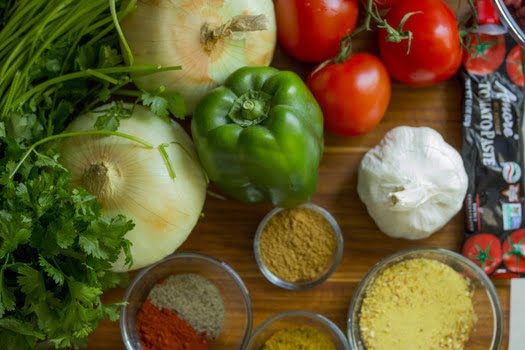
Garlic and Onions – These are a good source of quercetin, a powerful anti-inflammatory that stabilizes the membranes of the cells that release histamine and therefore allergic symptoms.
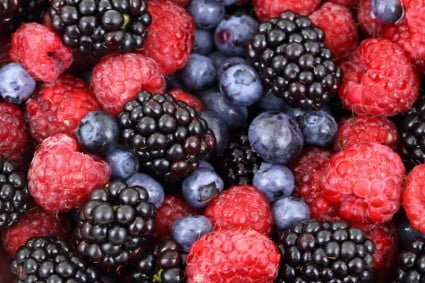
Quercetin can also be found in capers, apples, capsicum, dark cherries and berries, tomatoes. Ginger also slows histamine production and a few slices can be put in hot water with lemon or added to cooking.
Bromelain in pineapple – bromelain is found in the core.
Avoid or limit exposure to triggers (cigarette smoke, airborne pollutants, pollens, animal dander etc).
Manage stress and anxiety.
Make sure that your digestive system is healthy, free from toxicity and harmful bacteria. Minimise your intake of red meat, refined starches and sugars.
Instead, consume a whole food diet high in bright red, orange, yellow and dark green vegetables and fresh fruits which are rich in antioxidants, vitamins A, C, E. Vitamin C can reduce overall histamine production and is therefore considered to be a natural antihistamine and anti-inflammatory. Whole grains, nuts and seeds are also important.
Make sure you drink enough water – minimum 1 litre per day, more if you exercise. Most importantly, be physically active, spend time with others and have some fun!
Tags
[tags_all_in_one number=”20″ smallest=”11″ largest=”11″ unit=”px” separator=” ” orderby=”name” order=”asc” post=”true”]
by Sal Prothero | 26, Sep, 2016 | Blog
My Top 10 Protein Foods
Eggs
Eggs are loaded with vitamins, minerals, healthy fats, eye-protecting antioxidants and brain nutrients that most people don’t get enough of. Great for vegetarians.
Salmon
Salmon is an excellent source of protein. It also contains omega 3 fatty acids, essential for brain health and other important minerals and vitamins.
Chicken Breast
Chicken breast is one of the most popular protein-rich foods.
Oats
Oats are among the healthiest grains on the planet. They are loaded with magnesium, manganese, thiamin (vitamin B1), fibre and several other nutrients. Great for vegetarians and vegans.
Beef
Lean beef is very high in protein. It is loaded with highly bioavailable iron, vitamin B12 and numerous other nutrients.
Quinoa
One of my favourites and it’s gluten free. Quinoa is a seed/grain that is currently among the world’s most popular superfoods. It is high in many vitamins, minerals and fibre, and is loaded with antioxidants.Great for vegetarians, vegans and people on a gluten free diet.
Cheese
Did you know that cheese has more protein than milk? Feta cheese contains the most protein, along with feta, ricotta and cheddar. Also good for calcium. Great for vegetarians.
Tofu/Tempeh
Tofu contains all eight essential amino acids. It is also an excellent source of iron and calcium and magnesium, zinc, folate and Vitamin B1 and other nutrients. Tempeh also contains similar nutrients. Great for vegetarians/vegans.
Legumes
Legumes include peas, beans, lentils, peanuts. They are also a source of fibre, iron, magnesium, folate and potassium. Great for vegetarians/vegans.
Nuts & Seeds
Almonds are loaded with important nutrients, including fibre, vitamin E, manganese and magnesium. Other good sources include cashews, pistachios and peanuts. Peanut butter is a favourite of mine but be careful, only buy a good quality one. Pumpkin, sunflower seeds, sesame, chia seeds. Great for vegetarians and vegans.
Recipe for Protein Balls
These are not my recipes but I usually adapt them to my taste. I haven’t had to change these.
Nut protein ball, makes 12
1 cup of raw, whole almonds
1 tablespoon tahini paste
1 tablespoon nut butter (almond/ABC/cashew)
3 tablespoon coconut oil
3 tablespoon raw cacao powder
1 teaspoon rice bran syrup/raw honey
Process the almonds until they are like crumbs. Add the rest of the ingredients and process until well combined. Using wet hands, roll the mixture into balls and place on a plate. Chill in the fridge for an hour to set (if you can wait that long) and enjoy.
Nut free protein ball
11 large Medjool dates, pitted
¼ cup cacao powder
¼ cup raw pumpkin seeds
3 tbs raw shelled hemp seeds
3 tbs chia seeds
2 tbs cacao nibs
2 tsp cinnamon
¼ tsp Himalayan pink salt
Place pitted dates in food processor, or strong blender, and process until dates are broken down into paste.
Add remaining dry ingredients, and process until all seeds are broken down and mixture forms into dough-like consistency, about 1-2 minutes. Scrape down sides as necessary.
Form mixture into ball and let sit in fridge for 30 minutes to firm.
After 30 minutes, use a rounded tablespoon for measuring dough and roll into balls. You should get roughly 16 balls.
Place balls on lined cookie sheet and let firm again in freezer. Store balls in container in freezer. Energy balls should keep fresh for 3 months.
Tags
[tags_all_in_one number=”20″ smallest=”11″ largest=”11″ unit=”px” separator=” ” orderby=”name” order=”asc” post=”true”]
by Sal Prothero | 19, Sep, 2016 | Blog
The relationship between mood and food works both ways. How we feel affects what we eat but also, what we eat affects how we feel. When we’re stressed and super busy, we tend to reach out for comfort foods. Usually, these are sugary, processed foods. What if we reached out for healthy, whole foods? We would feel more calm, less depressed and anxious, less fatigued, fewer cravings and be in a better mood. Wouldn’t you love to feel like this most of the time? Well, you can with these simple whole foods in your diet:
Essential Fats
Nuts – almonds, cashews, hazelnuts, brazil nuts, peanuts, pecans, walnuts, macadamias.
Two small handfuls each day is ideal.
Seeds – sesame, pumpkin, sunflower, linseed, chia
As much as you like.
Avocado – spread on wholegrain toast/crackers or in a sandwich or with a salad.
½ each day.
Oil
Extra virgin olive oil, coconut oil
Oily Fish
Salmon, mackerel, sardines, trout, herring
Protein
See my blogs on protein and protein foods on my website.
Carbohydrates
Legumes (chickpeas, kidney beans etc), lentils, wholegrains (oats, quinoa, brown rice, brown basmati rice, buckwheat), starchy veggies (parsnips, potatoes, zucchini, pumpkin, squash).
Antioxidants
As many different coloured vegetables as you can eat and fruit such as melon, oranges, red capsicum, berries. The Vitamin C in veggies and fruit helps with the conversion of tryptophan to serotonin, your important neurotransmitters.
B Vitamins and Folate
Nuts, seeds, whole grains (e.g. brown rice), red meat, lentils, eggs, fish, bananas.
Magnesium
Leafy green veggies, nuts, wholegrains (oats, millet).
Zinc
Lamb, seeds, walnuts, wholegrains, brazil nuts, almonds, cashews, tahini.
Iron
Red meat, legumes, green leafy veg, wholegrains, eggs, seeds, peanut butter, rolled oats, tofu/tempeh.
Water
At least 1 litre each day. This will boost your concentration and focus.
Incorporating these whole foods into your diet will not only boost your mood, they’re also great for gut health. Sometimes, you may not eat enough of these foods or you may not absorb them as well as you should. Therefore, you may need a supplement. Always consult a Natural Health Practitioner or your GP before taking a supplement.
Tags
[tags_all_in_one number=”20″ smallest=”11″ largest=”11″ unit=”px” separator=” ” orderby=”name” order=”asc” post=”true”]
by Sal Prothero | 12, Sep, 2016 | Blog
12 Snack Ideas for Teens
Always hungry? Love snacking? Eating snacks are easy – no cooking, no preparing. Just grab and go. But your choice of snack will determine how you feel. Here are some easy snacks to take with you on the go.
1 piece of fruit with a small handful of unsalted nuts
1 banana and 3 tablespoons of plain natural yoghurt
1 medium boiled egg with a handful of seeds
Trail mix with unsalted nuts, seeds, raisins, apricots and goji berries
3 tablespoons of plain, natural yoghurt with a handful of seeds + berries
Celery, carrot, cucumber, capsicum sticks with your choice of dip (avocado, tahini, nut butter, hummus, cottage cheese, pesto, olive tapenade)
Protein balls (see recipes in ‘My Top 10 Protein Foods)
1 cup plain, organic popcorn
Wholemeal pita chips (dry roast pita bread in oven) with choice of dip
1 slice of wholegrain/rye/sourdough bread with choice of dip
2 squares of dark chocolate
Apple slices with peanut butter
Tags
[tags_all_in_one number=”20″ smallest=”11″ largest=”11″ unit=”px” separator=” ” orderby=”name” order=”asc” post=”true”]