
Healthy Gut, Healthy Life
80% of our immune system is in the gut along with 90% of our neuro-transmitters. Adrenaline and Serotonin, the feel good chemicals in our bodies, are made in the gut.

80% of our immune system is in the gut along with 90% of our neuro-transmitters. Adrenaline and Serotonin, the feel good chemicals in our bodies, are made in the gut.

My 7 tips on how to stay healthy this winter
1.Food
You probably won’t want a salad so eat warm food. Not only will it be easier to digest but it’ll warm your body down to your toes! If you haven’t got a slow cooker, invest in one. I always recommend one for busy, working mums. So easy – throw in your meat, stock and some veggies in the morning and you’ll come home to a gorgeous smell and no cooking to do. If you don’t eat meat, a nice veggie curry will do nicely. Warm bone broth will do wonders for your gut health and it contains gelatin, collagen, glutamine and minerals, all gut healing wonders. Chicken soup also works wonders when fighting a cold.
Foods such as garlic, ginger, chilli and lemon are excellent to help fight the cold. Shiitake mushrooms contain lentinan, an active compound that can boost your immune system, making it stronger and more capable of fighting various infections and diseases.
2.Drink
Really important to hydrate with water. That could be a tea or soup or just a plain glass of water. A nice warm tea with ginger, cloves, garlic, lemon juice and raw/manuka honey will do the trick. If you don’t fancy garlic in your tea, add it to cooking.
3.Vitamin C
Most of you probably know that this is the main immune boosting vitamin. Foods that contain Vitamin C are citrus fruits, capsicum, kiwifruit and dark green leafy veggies. Vitamin C is also great to have with iron rich foods to help with absorption. So remember to have these foods with your meals.
Vitamin C is one of the vitamins that becomes depleted over time if you suffer from stress.
4.Zinc
Zinc will boost your immune system. Many people are deficient in zinc. Foods high in zinc include red meat, nuts and seeds. Oysters contain the highest amount of zinc if you can stomach them.
5.Stress
Stress is a known immune suppressant and makes you more vulnerable to all those germs floating around at work, on the train or at the play centre with the kids. Evaluate your stress – are you saying yes to everything, are you running around like a headless chicken? You need to make time for yourself, take deep breaths when you’re feeling anxious, overwhelmed or irritated. Try yoga, meditation or just stretch at home.
In my new e-book, ‘Brand New You’, I talk about what drives stress, how it impacts us and a few stress buster tips.
6.Exercise
Just because it’s winter, it doesn’t mean you can slack off. Central heating beckons but you still need to move outside occasionally to get those endorphins going and did you know that shivering helps you burn extra fat?
7.Stay Warm
I know I’m stating the obvious but sometimes, we forget to wear enough clothes as we may be still thinking of those lovely summer days. Keep warm and wear a scarf against the cold winds, especially if you’re hanging around and not exercising.
Tags
[tags_all_in_one number=”20″ smallest=”11″ largest=”11″ unit=”px” separator=” ” orderby=”name” order=”asc” post=”true”]
What does a Nutritionist do?
There are 3 questions I am frequently asked: ‘What’s the difference between a Nutritionist and a Dietician?’, ‘What’s the difference between a Nutritionist and a Naturopath?’ and ‘Don’t Nutritionists only deal with weight loss and digestive issues?’ If you’re confused, here is my interpretation!
‘What’s the difference between a Nutritionist and a Dietician?’
Nutritionists have an evidence based and holistic approach to preventing illness and management of health conditions through therapeutic meal and dietary planning and where necessary, nutrient supplementation.
Dieticians work to evidence based government guidelines, work in public health policy and major health issues in Australia such as mental health and drug use and assess the nutritional status in community settings.
Basically, Nutritionists use a more holistic approach and Dieticians don’t. Having said that, there are some Dieticians who do practise holistically and some Nutritionists who don’t. It’s all about finding the right person for your needs.
‘What’s the difference between a Nutritionist and a Naturopath?’
Exactly the same as a Nutritionist with the exception that a Naturopath prescribes herbs.
‘Don’t Nutritionists mainly deal with weight loss and digestive issues?’
Yes, I deal with weight loss and gut health but my Nutritional Medicine degree encompasses all health conditions and symptoms. For example, hypothyroidism, anxiety, depression, hypertension and many more.
What happens at the consultation?
I ask a lot of questions such as ‘How many times a day do you pass a stool’ and ‘What colour is your stool?’ Other important things we talk about are your cravings, your sleep, your energy, your stress, any digestive issues (most people do!), any aches and pains, your menstruation and much more. When I have all the information I need, I’m like a detective. I look at the symptoms/issues you came to see me for but I also look at the other symptoms/issues that can be resolved at a later stage. It’s not a quick fix. Depending on the condition, it can take a minimum of 2 – 3 months to see any noticeable changes. Sometimes, it can take a couple of weeks. You are unique, there is no one else like you and that is why I take an in-depth medical history at the beginning and tailor the treatment plan for only you.
The final part of the consultation is carrying out the tests. This includes Body Composition which tests your metabolism and other amazing things. Find out more at https://salthenutritionist.com.au/programs-testing , a zinc tally test to see if you’re deficient in zinc, tongue and nail analysis and blood pressure. This is all included in the overall cost.
I then go away and work on a dietary and lifestyle treatment plan for the person which takes into account their health complaint(s), nutrient deficiencies and any supplements needed or updating.
Again, this process does not result in a quick fix or counting calories. It is a way of eating for life with mostly whole foods that you will be able to manage yourself. To see changes, it requires a commitment from you. Only then, will you see results.
Tags
[tags_all_in_one number=”20″ smallest=”11″ largest=”11″ unit=”px” separator=” ” orderby=”name” order=”asc” post=”true”]
Liver Detox – is it right for you?
There are a bewildering array of detoxes/cleanses out there. Anyone totally confused? I would be!
Studies on cleanses are scarce and, according to a recent review, not very convincing. Despite the lack of evidence to back their effects, detox diets and commercial cleanses remain popular, partly because many anecdotal reports seem to support their effectiveness for weight loss and overall health.
The liver is a massive powerhouse. It produces thousands of essential chemicals and hormones and manages over 50,000 enzymes.
Our livers can withstand many assaults over the years but it can start under-functioning. So how do you know if your liver is under-functioning? Some symptoms include a headache from perfume or drinking alcohol, skin problems, mood swings, PMS, weight gain, nausea, dark circles under your eyes, fat intolerance and sugar cravings.
Your liver, as well as your digestive system and kidneys are designed to process and remove toxins but over time, some of you may struggle to detoxify due to exposure to toxic household cleaning chemicals, cosmetics and pesticides, as well as exposure to air and water pollution, toxic deposits in food and plastics or through the overuse of recreational and non-recreational drugs.
There are two phases of detoxification known as Phase I and Phase 2. Phase 1 involves many enzymes to break down substances/toxins and prepare them for Phase 2 to remove them from the body. Both phases need specific nutrients to work properly. See my list below of foods to eat for good liver health.
There are so many detoxes out there, I can’t mention them all. One popular one is a ‘juice diet’. The problem with this is that it eliminates most food groups. You need a wide variety of foods for the proper functioning of the organs of elimination. This ‘diet’ also reduces metabolism as the number of calories drop. When metabolism drops, all bodily functions decrease. As the metabolism drops, elimination slows down.
Foods for Liver Health
My approach is to always work on gut health first and foremost. There is no point in doing a liver detox if your gut is in poor health. With some people who are very sick, a liver detox is not a good idea. They will become even more sick while the liver is detoxifying. After the gut, I look at the adrenals and hormones and rectify any imbalances.
The liver is usually treated last. Positive changes to the diet and/or supplements as given in my treatment plan will gently detoxify the body anyway and that is sufficient at the start of the treatment. Lifestyle changes are also important such as reducing stress and addressing any toxic chemicals used in cosmetics, household products and skincare.
Tags
[tags_all_in_one number=”20″ smallest=”11″ largest=”11″ unit=”px” separator=” ” orderby=”name” order=”asc” post=”true”]
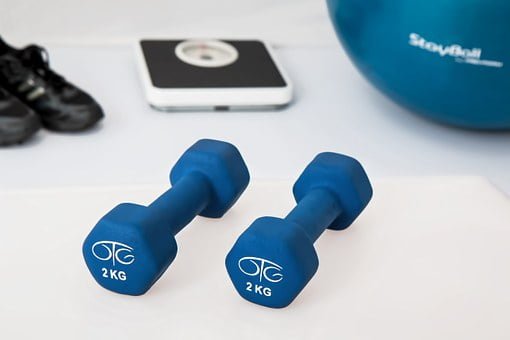
Why exercise is important:
It reduces stress levels and controls the hormone, cortisol to reduce fat.
We all know that stress can affect us physically and mentally. It can reduce our sleep, encourage moodiness and tiredness, affect our concentration and encourage us to eat high sugar foods.
Exercise produces endorphins- chemicals in the brain that act as natural painkillers – which improve the ability to sleep, becomes a mood elevator and reduces stress.
Exercise also reduces the levels of our body’s stress hormones, such as cortisol. Cortisol is great for regulating blood pressure and the immune system but too much release of this hormone will tell the body to crave sugary, high fat foods, which will result in weight gain usually in the abdominal area.
Exercising will ensure that you feel better, sleep better and eat healthier.
Antonietta Vitetta owns BodyMotive Pty Ltd and is energetic, passionate and enthusiastic in helping you become the best you can be.
Tags
[tags_all_in_one number=”20″ smallest=”11″ largest=”11″ unit=”px” separator=” ” orderby=”name” order=”asc” post=”true”]